
The belters: singers with a big voice range, mostly into high tone.
What marketing do they use in the Eurovision Song Contest?
- Polina Gagarova, Million Voices, Russia, 2nd place in 2015
It is very difficult for Russia to win a (mostly) European crowed and their judges. Internal politics, like the anti-LGBT policies or the Ukraine conflict, did not make Russia very popular. Even with Eurovision’s policy ‘music should stand over politics’, a lot of boing was present during the performance.
The music video was presented on the official contest YouTube channel, getting over 10 million views. The video involved children, adults and elderly people of different races and nationalities. Perhaps a Russian marketing trick to eliminate prejudice about Russian people.
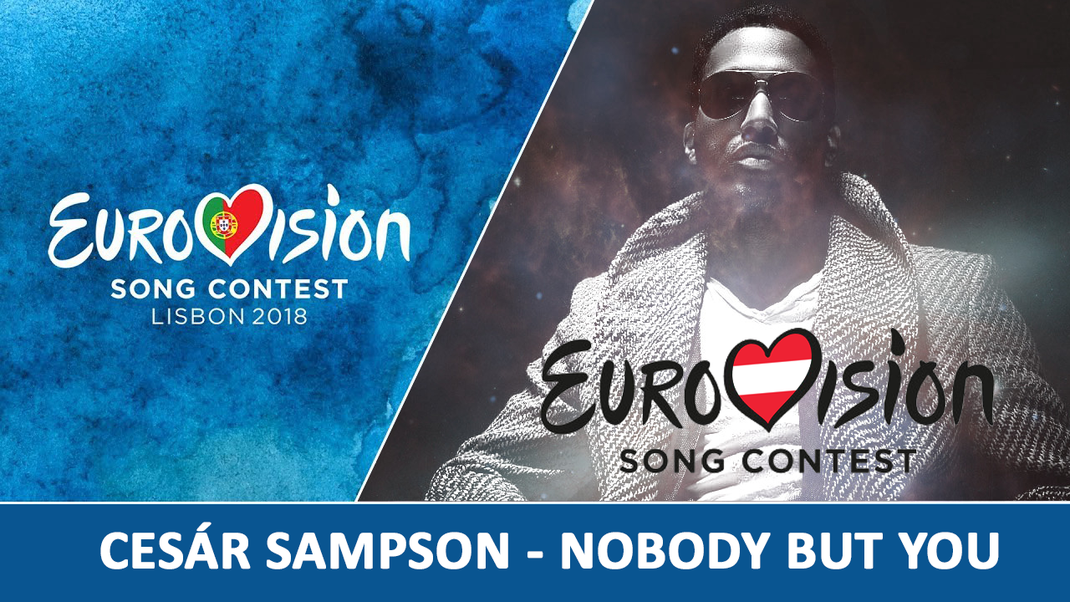
I was not able to translate the Russian version of the song, could it have been rewritten after for the domestic music market? - Cesár Sampson, Nobody But You, Austria, 3th place in 2018
The song won the jury vote, but got only a 13th place by the televoting.
Cesár is well known with the Eurovision contest. Before his performance, Cesár had many other Eurovision projects, like for the Bulgarian team in 2016 and 2017.
Cesár Sampson is an all-rounder. Besides his own performances, Cesár worked behind the scenes as songwriter, lyricist and vocal producer in various international productions.
Not a bad idea to bring forward your most broad musically citizen.
It also must be said that an entire team created the song and performance. They even hired a Swedish songwriter. The boundaries of the Eurovision contest are vague. - Ilinca ft. Alex Florea, Yodel It!, Romania, 7th place in 2017
Having bad reviews, as the too glitter performance and atypical Romanian Yodeling, also a lot of good reviews were published. A classic example on how people, cultures, countries have all other ideas on what a good song and performance must be.
This participating had a lot of marketing tools beforehand, like appearances at the European Artistic Gymnastics Championship and in London, Madrid, Amsterdam and Tel Aviv. I’m not sure they lobbied for good reviews, but surely a lot of money was spent on their participation.
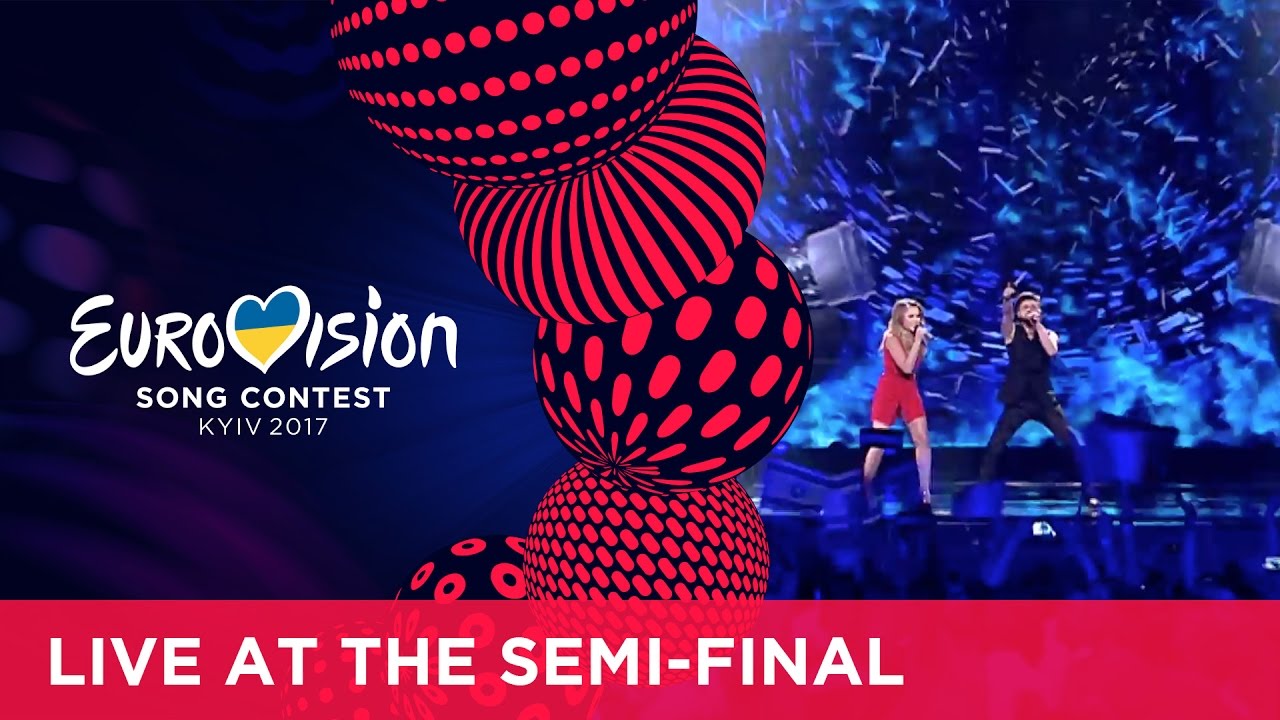
Yodel It! is a classic example on using as many marketing tools as possible, mostly for product (performance) and communication. - Brendan Murray, Dying to Try, Ireland, did not qualify for final 2017
Apart from the music video release with a digital version, not many marketing was used in advance of the Eurovision contest. I assume Ireland was aiming for the music quality over the beforehand attention. Same as this country managed to win 4 out of 5 contests in the 90’s, a time before big marketing was adopted into Eurovision. Every song was a premiere and every performer had to sing in its own language. Time and competitions have changed.
This song did not make it to the finals, could be because of a lack of marketing investment, or a poor song itself.


To conclude
To my surprise I did not find a direct link between these 4 belters and their marketing, Except for Yodel It! not much money was spend beforehand.
Belters might be seen as natural good and professional singers, therefor their entourage might aim for quality at the performance instead of quantity in image building.
 Big Data Amusements
Hi Michiel, you are right. “Yodel it” is staying on our mind and came back also yesterday during the contest. It is a mix of all marketing tools and you can see that thought of the strategy behind the song.
LikeLike